Personal Injury
Traumatic Brain Injury Attorneys
Traumatic brain injuries are often called the "invisible injury" because they can occur without any visible trauma to the head and can develop or worsen over time in ways that are not immediately apparent. Our experienced attorneys understand the complex medical and legal issues involved in TBI cases.
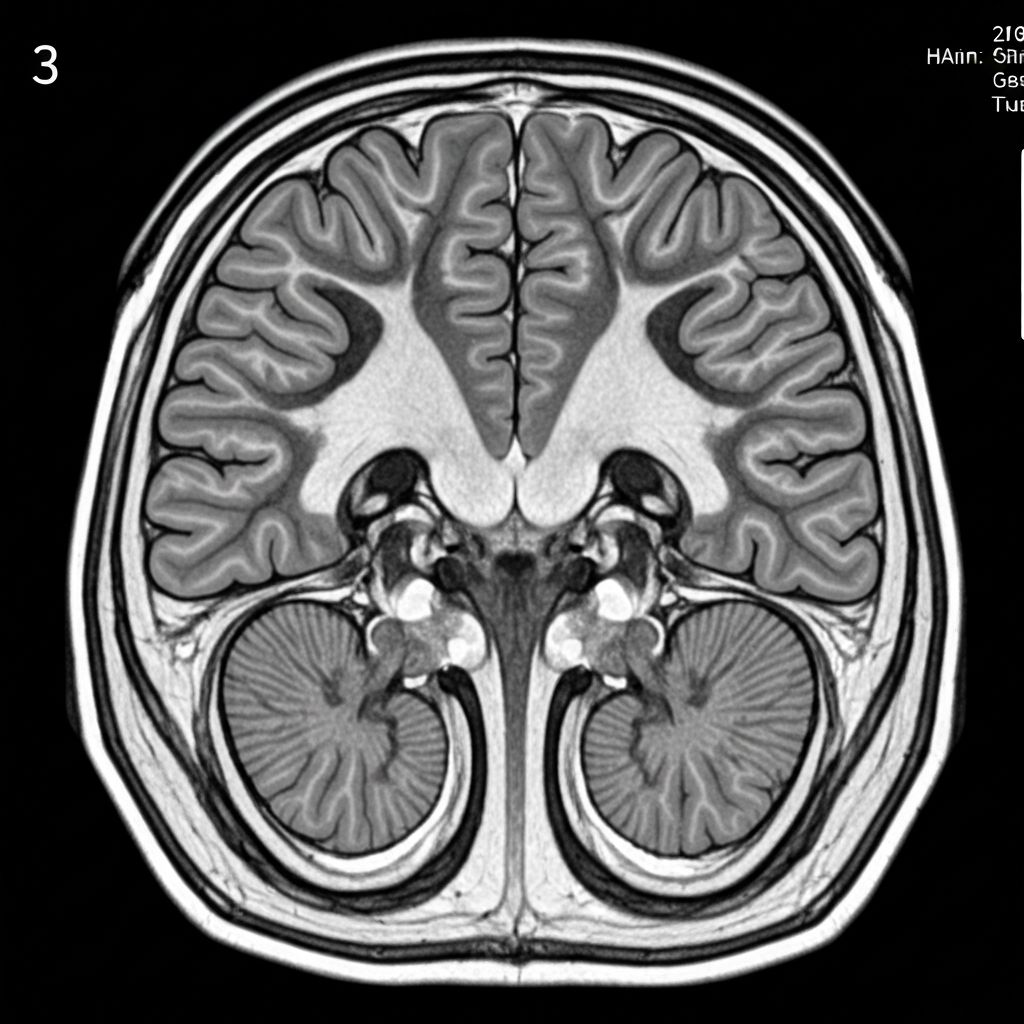
Understanding the "Invisible Injury"
Traumatic brain injuries (TBIs) present unique challenges in personal injury cases precisely because they often cannot be seen. Unlike a broken bone that shows clearly on an X-ray or a laceration that is visible to the naked eye, brain injuries may not present obvious physical symptoms—yet their effects can be profoundly life-altering.
A TBI can occur from any blow, jolt, or penetrating injury to the head. In car accidents, the sudden deceleration can cause the brain to strike the inside of the skull, resulting in bruising, bleeding, or tearing of brain tissue. What makes these injuries particularly insidious is that symptoms may not appear immediately. A victim might walk away from an accident feeling relatively fine, only to experience debilitating symptoms days, weeks, or even months later.
Symptoms That May Develop or Worsen Over Time
The progressive nature of TBI symptoms is one of the most challenging aspects of these cases. Victims and their families may notice gradual changes that include:
Cognitive Changes
- • Memory loss and confusion
- • Difficulty concentrating
- • Slowed thinking and processing
- • Problems with judgment
- • Difficulty finding words
Emotional & Behavioral
- • Increased irritability and mood swings
- • Depression and anxiety
- • Personality changes
- • Social withdrawal
- • Impulsive behavior
Physical Symptoms
- • Persistent headaches
- • Dizziness and balance problems
- • Sensitivity to light and sound
- • Sleep disturbances
- • Fatigue and low energy
Speech & Sensory
- • Slurred or slow speech
- • Difficulty understanding others
- • Ringing in the ears (tinnitus)
- • Blurred or double vision
- • Changes in taste or smell
Types of Traumatic Brain Injuries
Mild TBI (Concussion)
Despite being classified as "mild," concussions should never be taken lightly. A concussion occurs when the brain is shaken inside the skull, and while a single concussion may resolve with rest, repeated concussions can lead to cumulative damage. Many people who suffer concussions in car accidents may not lose consciousness, leading them to underestimate the severity of their injury. Post-concussion syndrome can cause symptoms to persist for weeks, months, or even years.
Moderate to Severe TBI
More severe brain injuries may involve contusions (bruising of the brain), hematomas (blood clots), or diffuse axonal injury (widespread tearing of nerve fibers). These injuries often require emergency surgery, extended hospitalization, and long-term rehabilitation. Victims may face permanent cognitive impairment, personality changes, and physical disabilities that affect every aspect of their lives.
Secondary Brain Injuries
Sometimes the most dangerous aspects of a brain injury occur after the initial trauma. Swelling, bleeding, and changes in blood flow can cause secondary injuries that worsen the damage. This is why immediate medical attention following any head trauma is critical—and why ongoing monitoring is essential for TBI victims.
Why TBI Cases Require Specialized Representation
Insurance companies often attempt to minimize or dismiss brain injury claims precisely because the injury is not visible. They may argue that because there was no loss of consciousness or because initial imaging was normal, no serious injury occurred. Our attorneys work with neurologists, neuropsychologists, and other medical experts to thoroughly document the full extent of our clients' injuries and fight for the compensation they need for ongoing care.
Ready to Discuss Your Case?
Schedule a free consultation with our experienced attorneys. We offer home and hospital visits for clients who cannot travel. Available in English, Spanish, Russian, and Armenian.