Personal Injury
Spinal Cord Injury Attorneys
Spinal cord injuries are among the most devastating consequences of car accidents, falls, and other traumatic events. These injuries can affect every aspect of a victim's life, from mobility and sensation to bladder control and breathing. Our attorneys have the experience to fight for the comprehensive compensation you need.
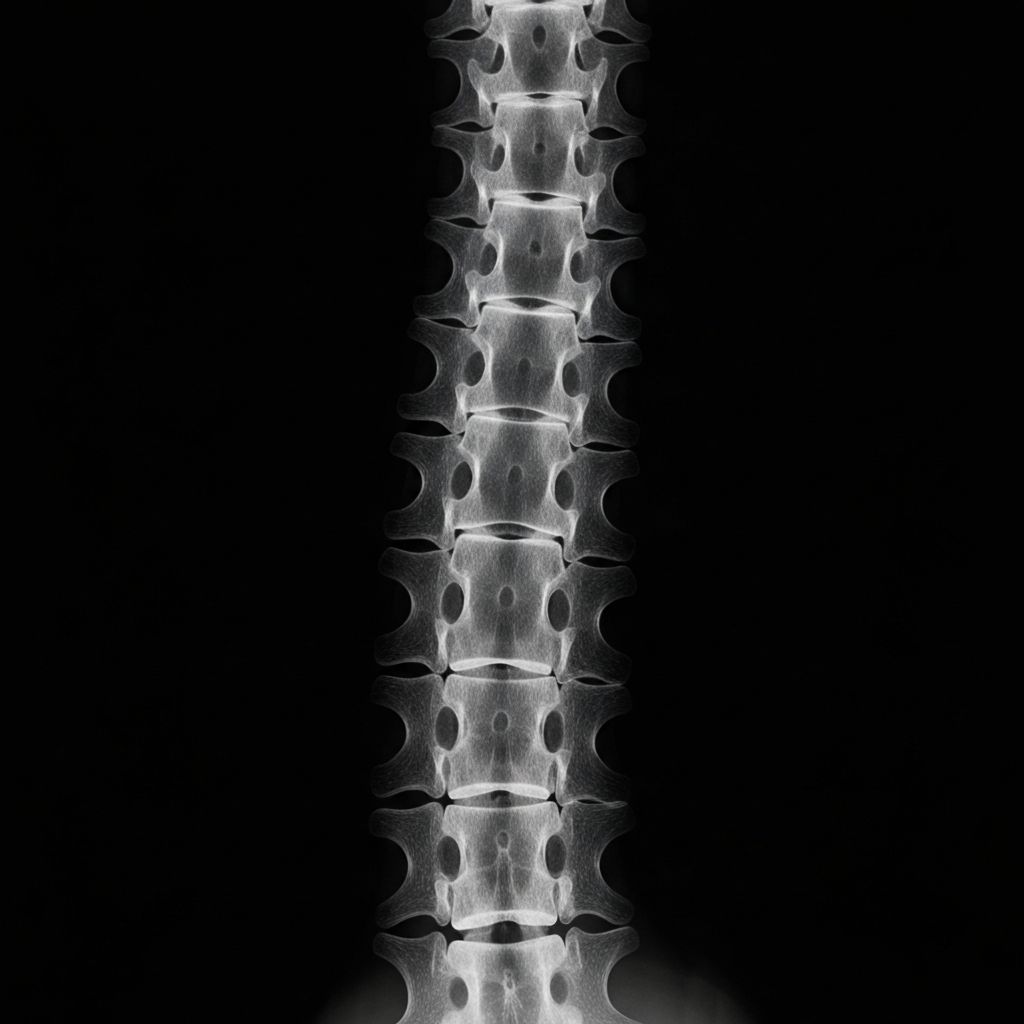
How Spinal Injuries Occur in Accidents
The spine is a complex structure consisting of 33 vertebrae stacked on top of each other, separated by intervertebral discs that act as shock absorbers. Running through the center is the spinal cord, a bundle of nerves that carries signals between the brain and the rest of the body. When an accident causes trauma to this delicate system, the results can be catastrophic.
In car accidents, the sudden forces involved can compress, twist, or hyperextend the spine in ways it was never designed to handle. The violent deceleration of a collision can cause vertebrae to fracture or dislocate, and the soft intervertebral discs can be damaged, displaced, or ruptured.
Disc Herniations: A Common Consequence
One of the most common spinal injuries in car accidents is a disc herniation(sometimes called a "slipped disc" or "ruptured disc"). This occurs when the soft, gel-like center of an intervertebral disc (the nucleus pulposus) pushes through a tear in the tougher outer layer (the annulus fibrosus).
When a disc herniates, it can impinge on the nerve roots that branch off from the spinal cord. This nerve root impingement is the source of much of the pain and dysfunction associated with disc herniations. Depending on which disc is affected, victims may experience:
Cervical (Neck) Disc Herniations
- •Pain radiating from the neck down through the shoulders and arms
- •Numbness or tingling in the fingers and hands
- •Weakness in the arms affecting grip strength
- •Difficulty with fine motor tasks
Lumbar (Lower Back) Disc Herniations
- •Sciatica: sharp pain radiating from the lower back through the buttocks and down the legs
- •Numbness or tingling in the legs and feet
- •Muscle weakness affecting walking and balance
- •In severe cases, loss of bladder or bowel control
Life-Altering Consequences
The effects of spinal cord injuries extend far beyond physical pain. These injuries can fundamentally change a person's life, affecting their ability to work, care for themselves, and enjoy activities they once loved. Victims often face:
Chronic Pain
Persistent pain that may require long-term medication, injections, or surgical intervention
Limited Mobility
Difficulty standing, sitting, walking, or performing everyday activities
Inability to Work
Many spinal injury victims cannot return to physically demanding jobs or may need job retraining
Emotional Impact
Depression, anxiety, and strained relationships due to chronic pain and disability
Treatments May Include
Conservative Care
Physical therapy, chiropractic care, pain management, and epidural steroid injections
Surgical Options
Discectomy, laminectomy, spinal fusion, or artificial disc replacement
Ongoing Care
Long-term rehabilitation, adaptive equipment, and home modifications
Our attorneys work with medical experts to fully document the extent of your injuries and project your future medical needs, ensuring you receive compensation that accounts for both current and long-term care requirements.
Ready to Discuss Your Case?
Schedule a free consultation with our experienced attorneys. We offer home and hospital visits for clients who cannot travel. Available in English, Spanish, Russian, and Armenian.