Personal Injury
Complex Regional Pain Syndrome (CRPS)
CRPS, formerly known as Reflex Sympathetic Dystrophy (RSD), is one of the most painful and debilitating conditions a person can experience. Our attorneys understand the unique challenges of CRPS cases and fight to secure the compensation our clients need for lifelong care.
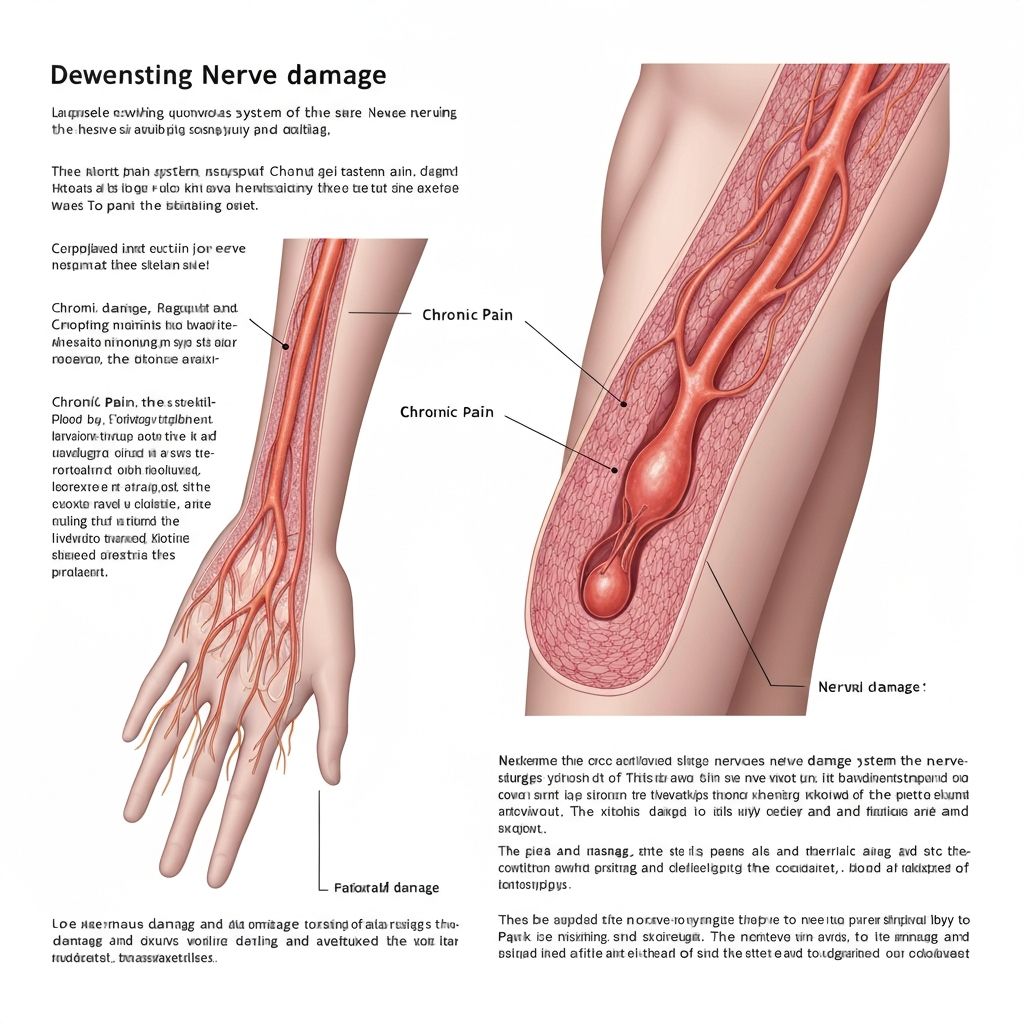
Understanding CRPS
Complex Regional Pain Syndrome is a chronic pain condition that typically develops after an injury, surgery, stroke, or heart attack. What makes CRPS so devastating is that the pain experienced is dramatically out of proportion to the initial injury. A relatively minor injury—a sprained wrist, a small fracture, or even minor surgery—can trigger a cascade of symptoms that persist and worsen over time.
CRPS occurs when the nervous system malfunctions, sending continuous pain signals to the brain even after the original injury has healed. The condition most commonly affects the arms, legs, hands, or feet, and can spread to other parts of the body. Without proper treatment, CRPS can become permanently disabling.
Signs and Symptoms of CRPS
Pain Symptoms
- • Continuous burning or throbbing pain
- • Pain that is disproportionate to the initial injury
- • Extreme sensitivity to touch (allodynia)
- • Pain from stimuli that should not cause pain
- • Pain that spreads beyond the original injury site
Skin and Temperature Changes
- • Skin color changes (red, blue, purple, pale)
- • Skin temperature changes (hot or cold)
- • Changes in skin texture (shiny, thin, or sweaty)
- • Abnormal sweating patterns
- • Changes in hair and nail growth
Motor Symptoms
- • Decreased ability to move the affected body part
- • Muscle spasms and tremors
- • Weakness in the affected limb
- • Muscle atrophy over time
- • Stiffness and decreased range of motion
Other Effects
- • Swelling in the affected area
- • Sleep disturbances due to pain
- • Depression and anxiety
- • Memory and concentration problems
- • Impact on work and daily activities
Challenges in CRPS Cases
CRPS cases present unique challenges that require attorneys with specialized experience. Insurance companies often dispute CRPS claims because the condition cannot always be verified through objective tests like X-rays or MRIs. They may argue that the pain is exaggerated or that the condition is not related to the accident.
Our attorneys work with pain management specialists, neurologists, and other medical experts who understand CRPS and can provide compelling testimony about the nature of the condition, its connection to the initial injury, and the long-term prognosis. We gather comprehensive evidence including:
- •Medical records documenting the progression of symptoms
- •Results from diagnostic tests like bone scans, thermography, and nerve conduction studies
- •Expert medical testimony explaining the Budapest Criteria for diagnosing CRPS
- •Documentation of treatment history and response to therapy
- •Life care plans projecting future medical needs and costs
The Long-Term Impact of CRPS
CRPS is often a lifelong condition that requires ongoing medical care. Treatment may include medications, nerve blocks, physical therapy, spinal cord stimulation, and other interventions. The cost of this care over a lifetime can be staggering. We fight to ensure our clients receive compensation that accounts for all of their future needs.
Ready to Discuss Your Case?
Schedule a free consultation with our experienced attorneys. We offer home and hospital visits for clients who cannot travel. Available in English, Spanish, Russian, and Armenian.